
Why Large Events Depend on Utility Vehicle Fleets for Staff, Security, and Vendor Coordination
There’s a lot that goes into staging a large commercial event — permits, vendors, entertainment, ticketing, staffing, safety planning. But one operational detail that consistently separates smooth events from stressful ones is something most attendees never notice: how well the people running the event can actually move around it.
At Gilchrist Golf Cars, we work with event organizers across Sacramento and Placer County who are responsible for exactly that — keeping dozens or hundreds of staff, security personnel, vendors, and coordinators moving efficiently across large and often congested event grounds. In our experience, the events that run well are the ones where ground transportation for the operational team was planned just as carefully as anything else on the production schedule.
This post focuses on a specific side of commercial fleet rentals: why utility vehicles outperform traditional transportation for event personnel, and how a well-scaled rental fleet helps organizers build that infrastructure without the cost of ownership.
The Personnel Mobility Challenge at Large Events
Walk through the operational side of any large county fair, festival, or commercial event and you’ll find a surprisingly complex web of personnel with very different transportation needs — all trying to move efficiently across the same crowded grounds at the same time.
Security Teams
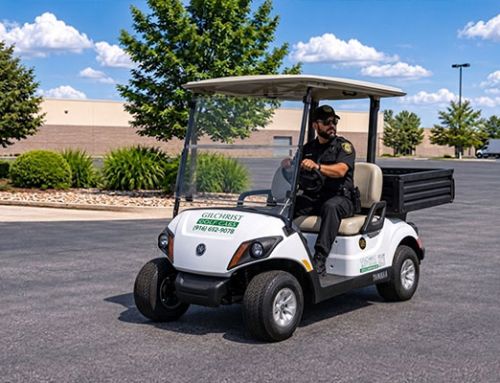
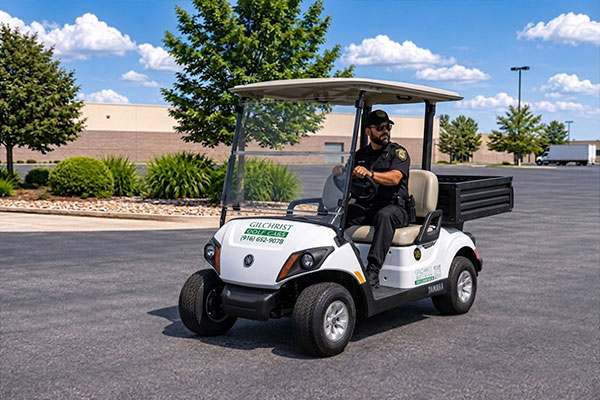
Security personnel need speed, reach, and discretion. A foot patrol covers a limited area and arrives at incidents slowly. A security cart changes that equation entirely — your team can cover significantly more ground per officer, respond to situations quickly, and do it without drawing unnecessary attention from the crowd. At events with multiple access points and large perimeters, the difference in response time between a team on foot and a team with dedicated vehicles is not a minor operational detail. It can be the difference between a contained situation and one that escalates.
Medical and Emergency Response Staff
At any large gathering, medical staff need reliable, fast access to any point on the grounds. Seconds matter in a medical situation, and at an event drawing thousands of attendees, navigating a crowd on foot is not a workable response plan. A dedicated vehicle for medical and emergency response staff ensures your team can reach any location on the grounds without delay and without disrupting the crowd around them.
Vendors and Logistics Crews
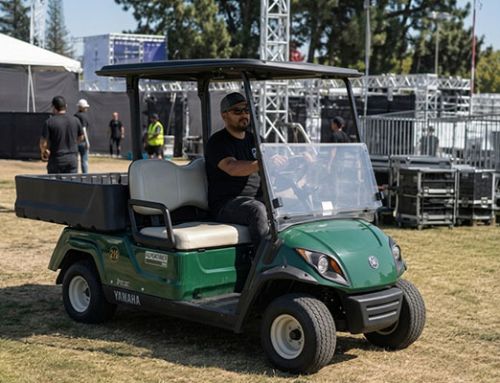
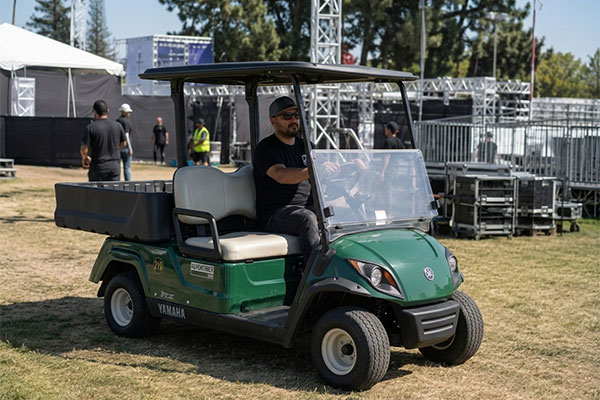
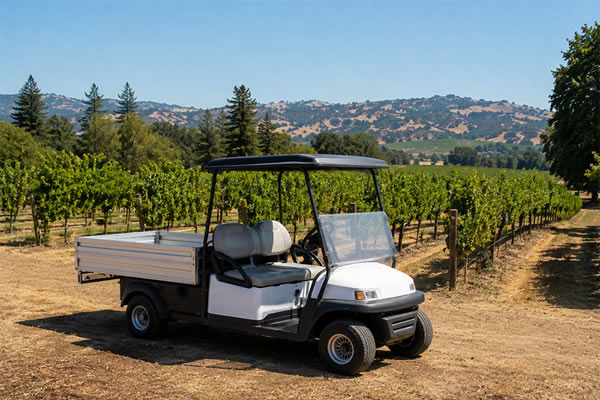
Vendors restocking inventory, logistics teams moving supplies between staging areas, and facilities staff making scheduled rounds — all of these roles require repeated trips across the grounds throughout the event day. On foot, that time and physical energy adds up quickly. A utility vehicle turns a twenty-minute round trip into a five-minute one, and it does it without the access limitations of a full-size truck in a pedestrian-heavy environment.
Event Coordinators and Production Staff
Senior event staff who need to be present across multiple areas simultaneously — managing vendor relationships, overseeing stage transitions, handling escalations — depend on being able to move fast. A dedicated vehicle for coordinators and production management keeps your leadership layer responsive and visible across the full event footprint.
Patron and Guest Transportation
Beyond the operational team, 6-passenger shuttle models play an important role in the guest experience — particularly for individuals with mobility challenges who need assistance navigating large event grounds. Making sure patrons can move comfortably between entrances, parking areas, stages, and vendor sections isn’t just good hospitality; for many events it’s a practical accessibility requirement. Having dedicated passenger vehicles deployed on key routes addresses this without tying up your operational fleet.
Why Utility Vehicles Outperform Traditional Transportation at Events
The obvious alternative to a golf car fleet is a mix of full-size vehicles — trucks, vans, SUVs. For some tasks, those vehicles are the right tool. But for event operations specifically, they create as many problems as they solve.
Full-size vehicles are difficult to navigate through crowded pedestrian areas without creating safety risks or operational disruptions. They’re expensive to fuel, harder to park in tight staging configurations, and their size limits where they can go on event grounds. They also project a much heavier operational presence than most events want their patrons to see.
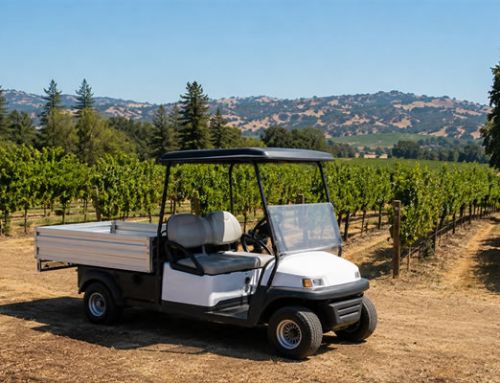
Utility vehicles — properly configured golf cars and purpose-built electric utility platforms — solve most of those problems at once:
- Access: They can operate in areas that are off-limits to full-size vehicles, getting staff and supplies where they’re actually needed.
- Congestion: They move through and around crowds without creating the disruption or safety concerns that a truck introduces in a pedestrian environment.
- Operational footprint: They stage compactly, charge cleanly on standard power, and don’t dominate the site the way larger vehicles do.
- Noise and emissions: Electric units run quietly and cleanly, which matters at events where noise management is part of the production plan.
- Cost: Fueling and operating a fleet of electric utility vehicles over a multi-day event is significantly less expensive than running the equivalent number of full-size vehicles.
We’ve supplied fleets to events where the organizers switched from traditional vehicles to golf car-based fleets and the operational feedback was immediate — faster staff response, fewer access problems, and a cleaner-looking operation overall.
Scaling a Fleet for Your Event Without the Cost of Ownership
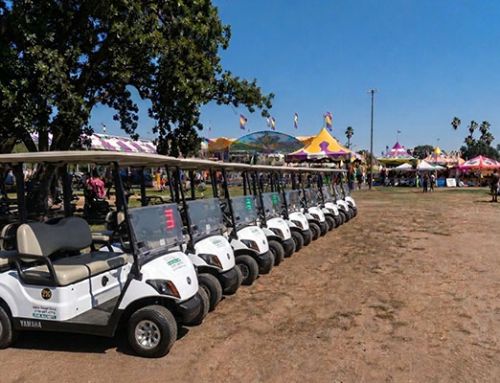
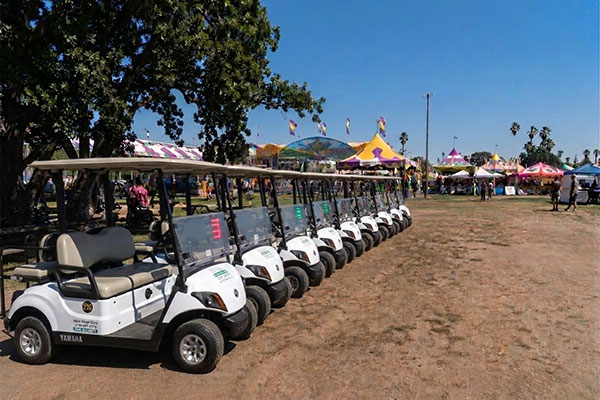
One of the most practical advantages of a commercial rental fleet is that it lets you scale your transportation infrastructure to match the event without buying a single vehicle. Owning and maintaining a fleet of utility vehicles year-round only makes sense for organizations that use them year-round. For event organizers who run one to several large events per year, rental is the financially sensible path.
With a rental arrangement, you’re not carrying depreciation, storage costs, insurance on parked equipment, or maintenance obligations between events. You scale up when you need it, and the fleet goes away when the event ends. And when your event grows and you need more vehicles next year, you adjust the rental — you don’t buy more equipment.
We’ve structured commercial rental agreements for everything from single-day events requiring a handful of vehicles to multi-week fairs that need a full mixed fleet with delivery, staging, and ongoing support throughout the run. The rental model is flexible by design, and that flexibility is one of the main reasons commercial event organizers in Northern California come back to us year after year.
If you’d like to learn more about how we approach full fleet logistics planning for large events — from the initial vehicle mix to delivery and pickup coordination — our festival and fair logistics guide covers that in detail.
To talk through the transportation needs for your next event, reach out to our commercial rental team. We’re happy to work through the details with you and put together a fleet configuration that fits your event, your grounds, and your budget.
Gilchrist Golf Cars
1140 Tara Ct., Rocklin, CA 95765
916-652-9078
sales@gilchristgolfcars.com
Commercial Rental Fleet Information