
Why Renting a Utility Fleet Makes More Sense Than Buying for Seasonal Commercial Operations
If your property runs at full capacity for three or four months a year and a fraction of that the rest of the time, buying a fleet of utility vehicles outright is probably not the most sensible use of your capital. Yet we talk to property managers and owners regularly who are doing exactly that — carrying the full cost of vehicle ownership year-round for an operation that only demands those vehicles seasonally.
At Gilchrist Golf Cars, we work with wineries, fairgrounds, agricultural operations, commercial event venues, and other properties throughout Sacramento and Placer County that have strong seasonal peaks and quieter off-periods. For most of them, a seasonal commercial rental arrangement is a significantly better fit than ownership — financially and operationally. Here’s why.
The Seasonal Demand Problem
Seasonal demand spikes are a fact of life for many commercial properties in Northern California. A winery running harvest events through the fall. A fairgrounds that’s fully activated for six weeks in summer and lightly used the rest of the year. An event venue with a packed spring and fall calendar that goes quiet in July and August. An agricultural operation that needs to move people and equipment efficiently during harvest and has minimal transportation needs otherwise.
In each of these situations, the property’s need for a utility vehicle fleet is real, recurring, and significant during peak periods. Outside of those peaks, however, the vehicles sit — and while they sit, the costs don’t stop. Storage space is consumed. Batteries require maintenance whether the vehicles are running or not. Insurance premiums continue. And each year that passes, the fleet depreciates in value while the technology available in newer vehicles continues to improve.
Owning a fleet makes good financial sense when the vehicles are working consistently throughout the year. When they’re idle for five or six months out of twelve, the math starts working against you.
What Ownership Actually Costs
The purchase price of a utility vehicle is the most visible cost of ownership, but it’s far from the only one. When we talk to property operators who are evaluating whether to buy or rent, we walk through the full picture:
- Capital outlay: New commercial utility vehicles run from several thousand dollars for a basic unit to significantly more for a fully configured commercial platform. Multi-vehicle fleets represent a substantial upfront investment that ties up capital that could be deployed elsewhere in the business.
- Off-season storage: Utility vehicles need to be stored properly when not in use — protected from weather, with batteries maintained at appropriate charge levels to prevent degradation. That requires space and attention, both of which have real costs on a working property.
- Battery maintenance: Lead-acid battery systems in particular require regular maintenance even during periods of inactivity. Neglect during the off-season often means reduced battery performance — or premature replacement costs — when the busy season arrives.
- Insurance and registration: These obligations don’t pause during the off-season.
- Depreciation: Commercial utility vehicles lose value over time, and the resale market for used commercial equipment is more limited than many buyers anticipate when they’re making the initial purchase decision.
- Repairs and service: Any mechanical issue that arises is yours to resolve, on your timeline, at your expense.
Set against those ownership costs, a seasonal rental arrangement offers a predictable, defined expense that covers the period you actually need the vehicles — and nothing more. When the season ends, so does the cost.
Right-Sizing Your Fleet for Peak Season
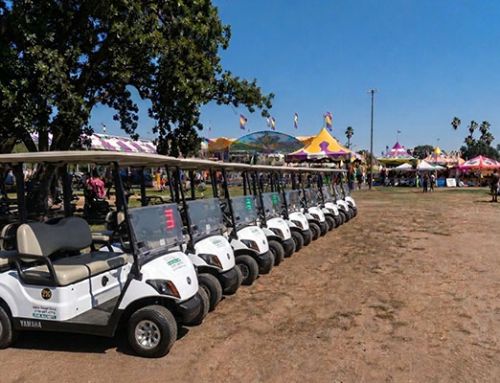
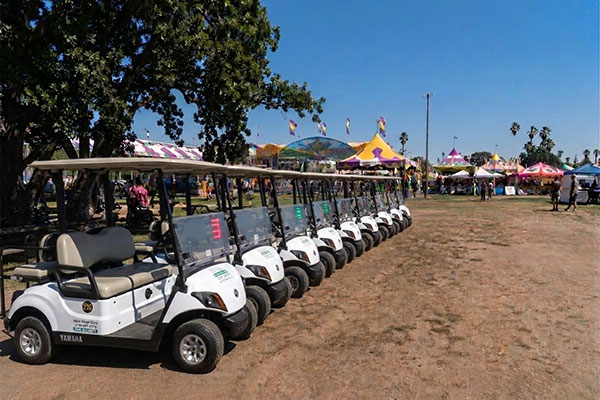
One of the practical advantages of renting over owning is that your fleet can be sized to match your actual needs each season, rather than locked into a fixed number of vehicles purchased at a single point in time.
Properties change. Events grow. Operational needs shift. A fleet you purchased four years ago to support a smaller operation may be undersized for what you’re running today — or it may include vehicle types you no longer need as your property’s use has evolved. A rental arrangement adapts with you. You work with us to determine what you need for the coming season, we configure the fleet accordingly, and if your needs are different next year, we adjust.
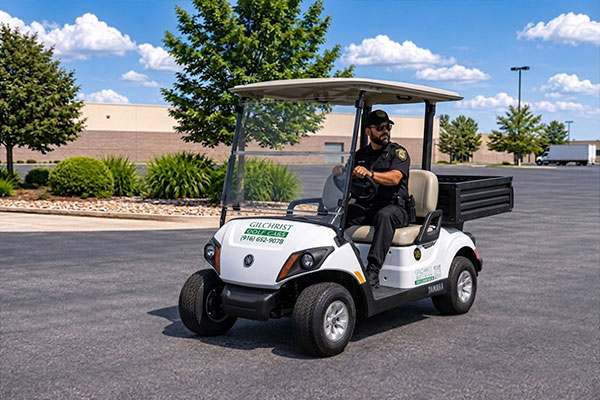
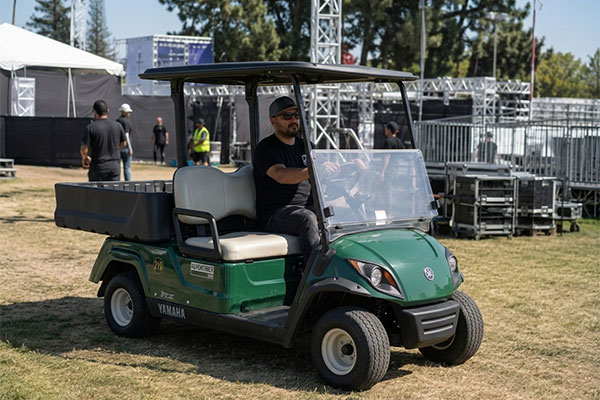
The vehicle types we provide for seasonal commercial rentals cover the full range of property operational needs:
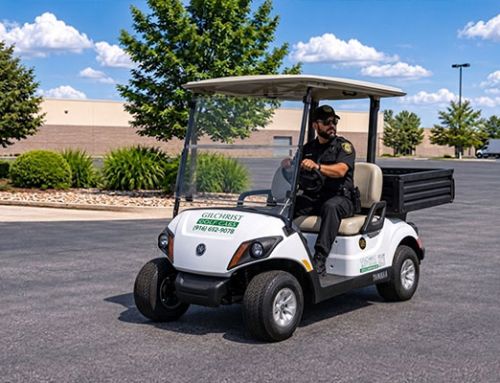
- 6-passenger shuttle models for moving guests, customers, patrons, and individuals with mobility challenges across large property footprints — particularly valuable for wineries, event venues, and any property where the guest experience is part of the product.
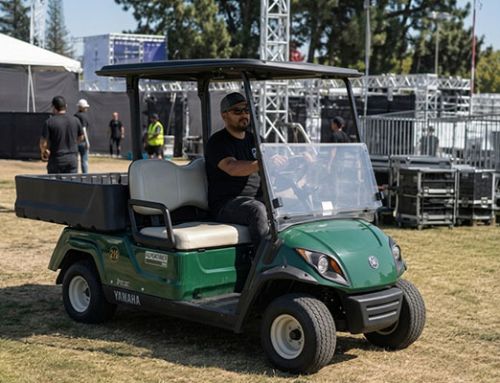
- Cargo and flatbed utility vehicles for moving equipment, supplies, and materials efficiently without requiring full-size truck access through pedestrian or landscaped areas.
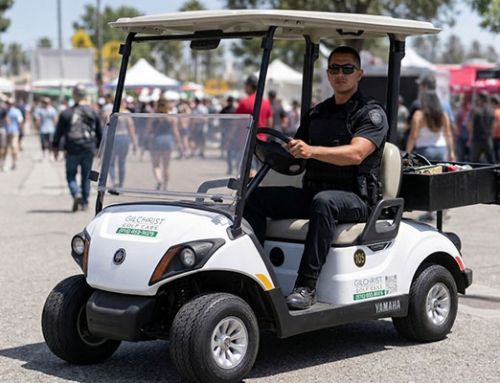
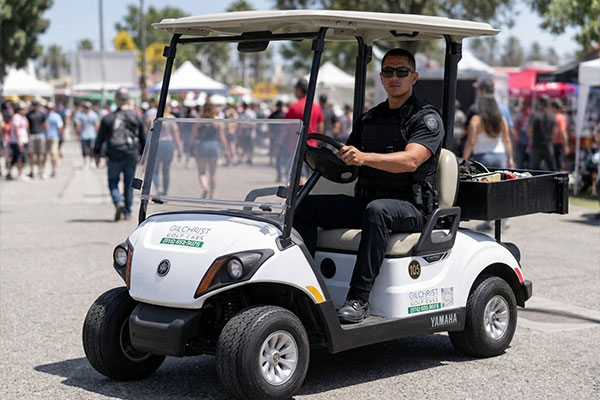
- Staff transport units for operational crews, maintenance teams, and property management staff who need to cover ground quickly during high-activity periods.
- Specialty configurations where specific operational requirements call for something beyond a standard platform — we can work through those details when we discuss your property’s needs.
If your peak period involves large gatherings or events with a significant staffing and security component, our guide to staff and security vehicle fleets for large events covers the operational considerations for that type of deployment in more detail.
A Local Rental Partner Who Knows the Region
Working with a local commercial rental provider rather than a national company matters more than it might seem at first. We know the Sacramento, El Dorado, Nevada, and Placer County market, the seasonal patterns that drive demand here, and the specific conditions — terrain, climate, operational norms — that affect how commercial vehicles perform in this region.
We also know what vehicle type works best for your particular application – this matters a lot to us, because we know that a seasonal rental is one that is needed to be the right fit and highly productive. Our fleet is well maintained and ready to get to work.
When you rent from Gilchrist, you’re working with a team that handles delivery and pickup coordination, is reachable when something comes up during your busy season, and has a genuine interest in making your operation run well — because our business depends on long-term client relationships, not one-time transactions.
We’re also the same team you’d call if your operational needs eventually do grow to the point where purchasing makes sense. At that point, we can help you evaluate your options on the new and used and refurbished side of our business — but there’s no pressure to get there before the numbers make sense for your property.
If you’d like to talk through your property’s seasonal transportation needs and explore what a rental arrangement might look like, reach out to our team. We’re glad to work through the details with you.
Gilchrist Golf Cars
1140 Tara Ct., Rocklin, CA 95765
916-652-9078
sales@gilchristgolfcars.com
Commercial Rental Fleet Information